
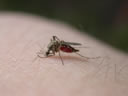
Mosquitoes are blood sucking insects that are responsible for the transmission of many diseases throughout the human and animal populations of the world. Mosquitoes can cause major disruptions, through their persistent biting, to occupational, recreational and social activities. Do your bit to reduce compulsory blood donations and possible infections.
The range of mosquitoes is not large. If you have mosquitoes, the source is likely to be at your house or at a neighbours, such as an uncovered water tank, puddles or water left standing in containers.
NSW Health is encouraging Northern Beaches residents to protect themselves against mosquitoes as the mosquito monitoring program found Ross River virus present in mosquitoes in March, April and May 2022 and Barmah Forest virus in May 2022. See the Northern Beaches Council website for more information
Prevention
- Use coils and electric mats around the house
- Screen windows, doors and water tanks, including overflow pipe, to prevent leaves, animals and mosquitoes entering or leaving the tank. Cover the top of your tank.
- Empty all containers in your garden that hold water, including pot plant saucers, tyres, roof guttering and tins to prevent breeding
- Stay away from places known to be infested with large numbers of mosquitoes.
- Limit outdoor activities around dusk, peak hour for mosquito biting.
- Wear protective clothing – long sleeves and long pants.
- Use repellants that contain approx 20% DEET (diethyl toluamide) on exposed skin, but do not use repeatedly on young children.
Symptoms
Most people have only a mild reaction but others can have severe allergic reactions from the saliva of mosquitoes. Typical symptoms include swelling, redness and irritation at the puncture site. If the bites are scratched, they may become infected with bacteria and a secondary infection can result.
Treatment
Anti–itch ointment
Side effects
Human diseases transmitted throughout Australia by mosquitoes include dengue fever, Australian encephalitis, Ross River virus disease and Barmah Forest virus disease.